1D946CB1-0B49-4342-BA1F-0805597D1E86 Learn more about the Sunflower Appeal match funding campaign 1D946CB1-0B49-4342-BA1F-0805597D1E86

Fill 1 Copy 2@2x

Steve's Story

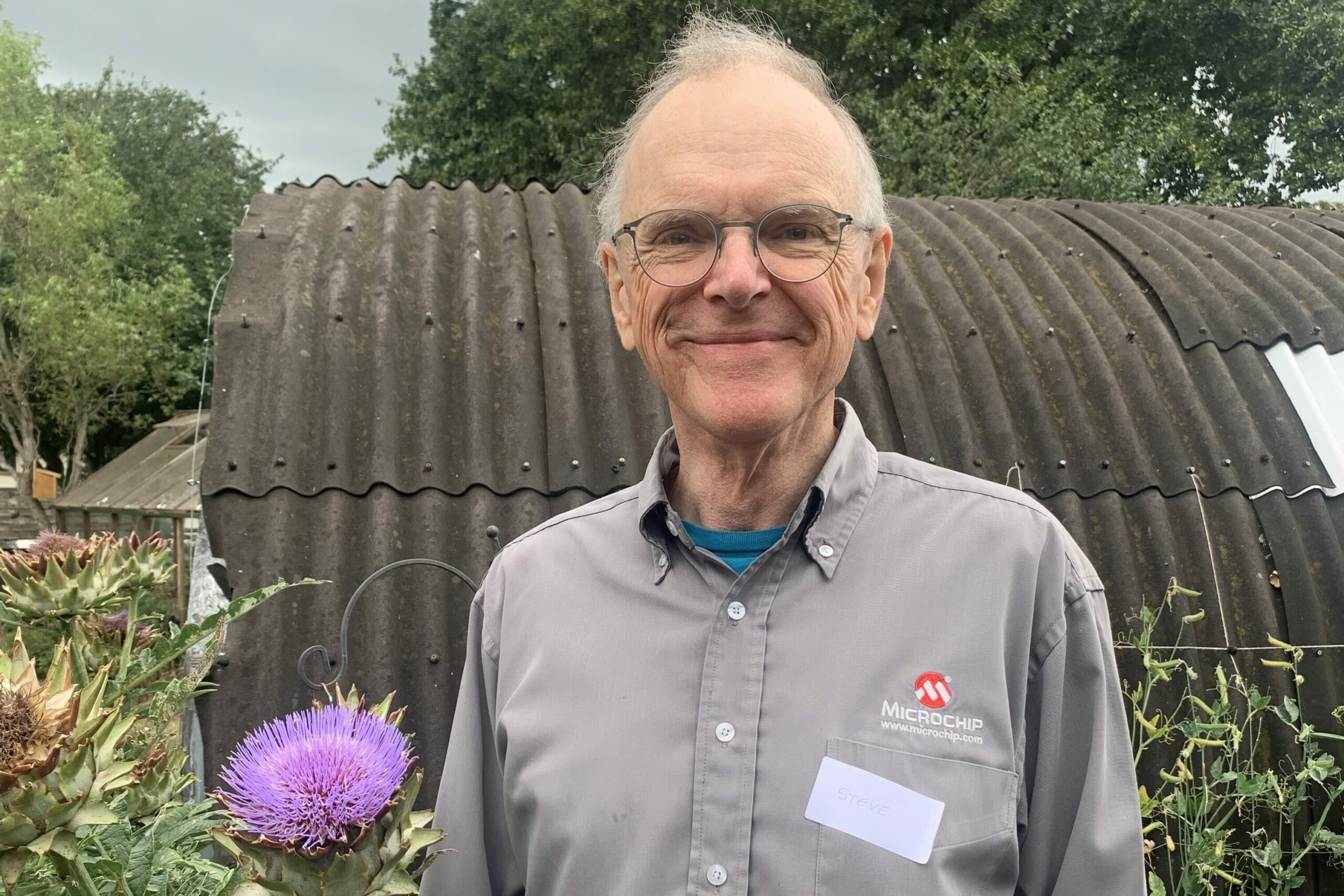
Steve was enjoying the start of his retirement when, with no symptoms, he was diagnosed with Chronic Lymphocytic Leukaemia (CLL) following a routine blood test.

Not to let his diagnosis hold him back, Steve has kept busy participating in the Lingen Davies Wellbeing Programme and volunteering for national cancer studies.

1D946CB1-0B49-4342-BA1F-0805597D1E86

Getting diagnosed

Steve, aged 72 from Whixall, was busy spending his retirement volunteering with RAF Museum Midlands and at local schools when he received some unexpected news.

“I went to my usual review with the GP at the beginning of 2024 and a blood test showed that my lymphocyte count was high, which is usually due to an infection or a short-term thing. The GP said they’d do another blood test in six months to give the potential infection time to clear up.

“When I went back six months later, my lymphocyte count was still high and above normal range. I was referred to the haematology department at Royal Shrewsbury Hospital and was seen within the month. They did another blood test looking for specific markers, including cancer markers.

“I went back a week later for my results and was told I had Chronic Lymphocytic Leukaemia. It was a bit out of the blue, I wasn’t expecting it at all.”


What's next?

“I’m in a situation called active monitoring which means I’m not going through any treatment at the moment but they’re keeping an eye on me. I was told I’d ‘die with’ my cancer, rather than ‘die from’ my cancer because of its slow-growing nature.

“I’ve got no symptoms at all, but they’ve given me a list of things to look out for like night sweats and tiredness. It could be that things never develop, and I won’t ever feel any different, but who knows.

“Every six months I’ll get a blood test to keep an eye on things and see whether the lymphocyte count has gone up or, more importantly, whether any of my blood counts have gone down,” he added.

After receiving his cancer diagnosis, Steve took to the internet to research what support is available for CLL and see what he can do to help.

“There’s a group called CLL Support who organise conferences throughout the year. I went to my first one in November 2024 in Oxford which was really good. Most attendees have more advanced cancer, often in remission after treatment. There were a couple of expert research doctors who gave some presentations.

“It was really interesting to find out about what’s going on in the research space, and I enjoyed meeting other people in similar situations. One of the most interesting things I took from the expert presentations was that about one in three people who are in active monitoring don’t see any development in their cancers at all, which is a great statistic to hear.”

Alongside attending the CLL Support Conference, Steve also signed up to participate in a university study.

“The other thing I did pretty quickly was join a study with the University of Surrey about exercise and its effect on cancer. There’s been quite a few studies on what the researchers call ‘hard cancers’ and the impact that exercise and diet have on these cancers, but there’s been no research into blood cancers like mine.

“I joined the study in November 2024 and, after an initial assessment, I was given exercises to do at home, like HIIT training twice a week, strength building and spending time on an exercise bike. I also drank a protein drink, and I have an app on my phone and a watch so they can monitor my heart rate from Surrey.

“I’ve continued with the exercise program after the study finished which has had a massive impact on my life, and I’m fitter than I was 10 years ago. If my CLL gets worse and I have to start treatment, I will be starting from a much better place. The training has also had some incredible mental benefits, and I feel much stronger.”
Visits to Fordhall Organic Farm

After receiving his cancer diagnosis, Steve discovered the Lingen Davies Wellbeing Programme.

“I was given a Wellbeing Programme brochure along with all my other hospital stuff, and I also saw a poster at Fordhall Organic Farm about the Renew and Restore activities funded by Lingen Davies.

“After finding out more about the free activities available to me I decided to sign up to the Fordhall Organic Farm sessions. I usually find it strange meeting other people with cancer because I don’t have any symptoms and, to some extent, I don’t necessarily want to be reminded of what could happen. But as a group we don’t talk much about what cancer we’ve each got as everyone likes to just get on with things. There are obviously some background conversations about cancer related topics if people feel like they want to, but there’s no pressure to share if you don’t want to which suits me.

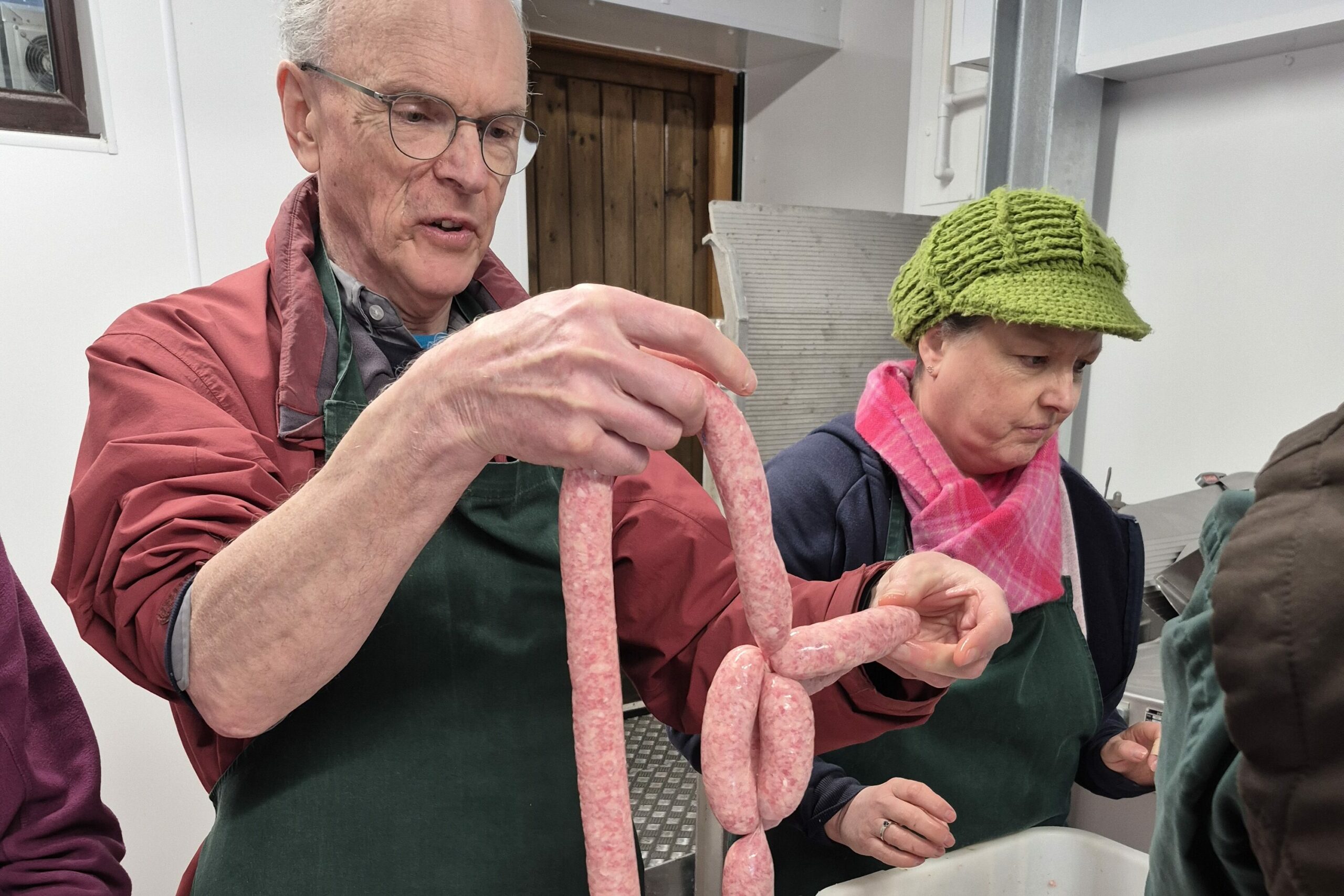
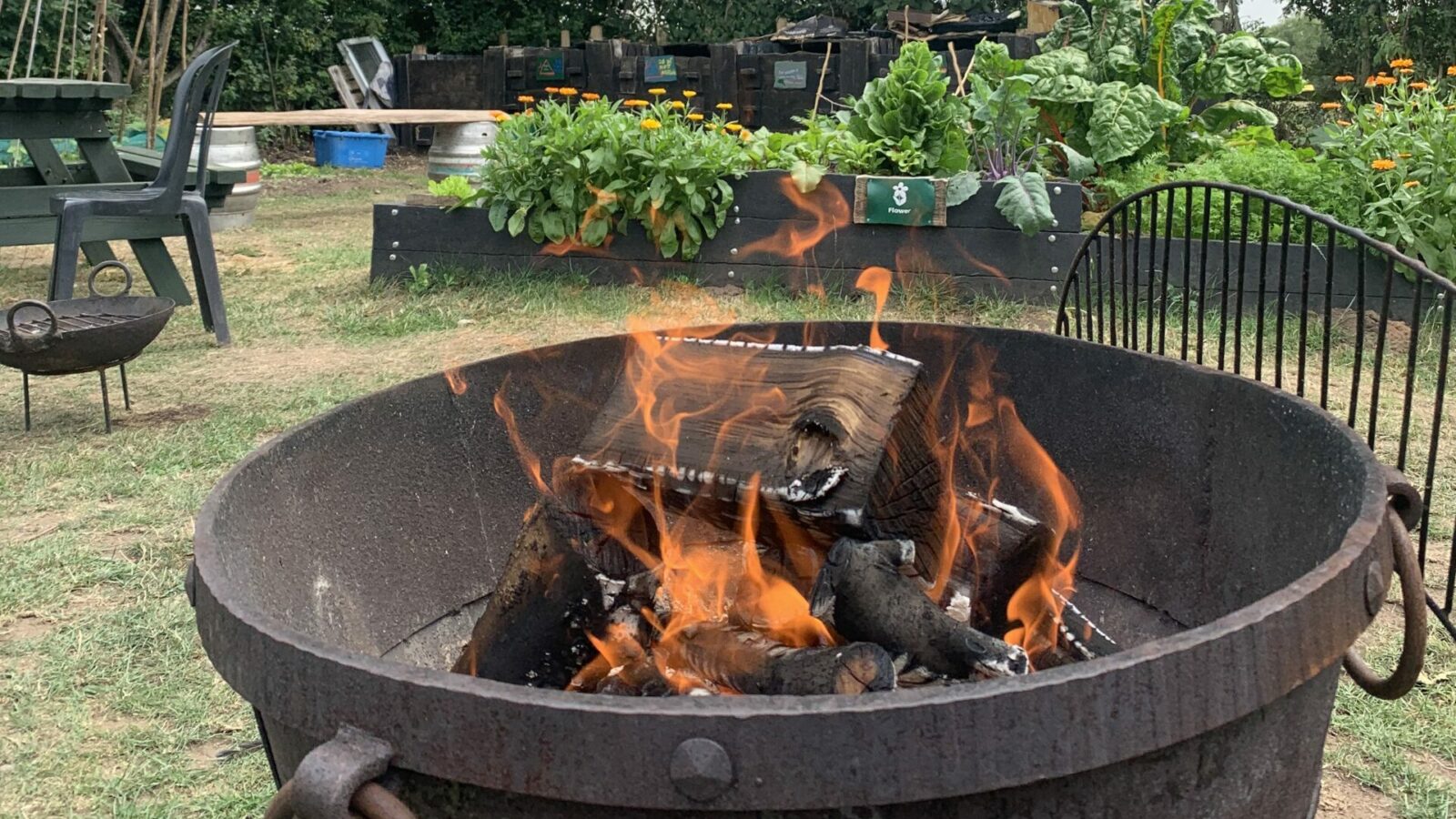
“I pick and choose the activities depending on what interests me. For example, some of the crafty things I’m less keen on, but the outdoor and manual activities like butchery or outdoor cooking are amazing. At the outdoor cooking session, I actually lit a fire by rubbing two sticks together. It was so good.”

Keeping a positive outlook

Despite his cancer diagnosis, Steve is determined to ensure his positive personality continues through his day-to-day life.

“I used to live and work in California and Texas so feel like I’m a very positive person based on my experiences there. I find that the USA has a generally positive outlook on things, with more looking forward to the future than looking back to the past. It’s become very much my personality.

“That positive outlook really helped me when I got my diagnosis as I have a strong belief that I can do something about it. I know what I need to do and what I can do, and I monitor everything I do to ensure I’m successful,” he added.