Katie's Story
Katie Burton wants to share her story, her experience with skin cancer, and how she wants others to take it more seriously.
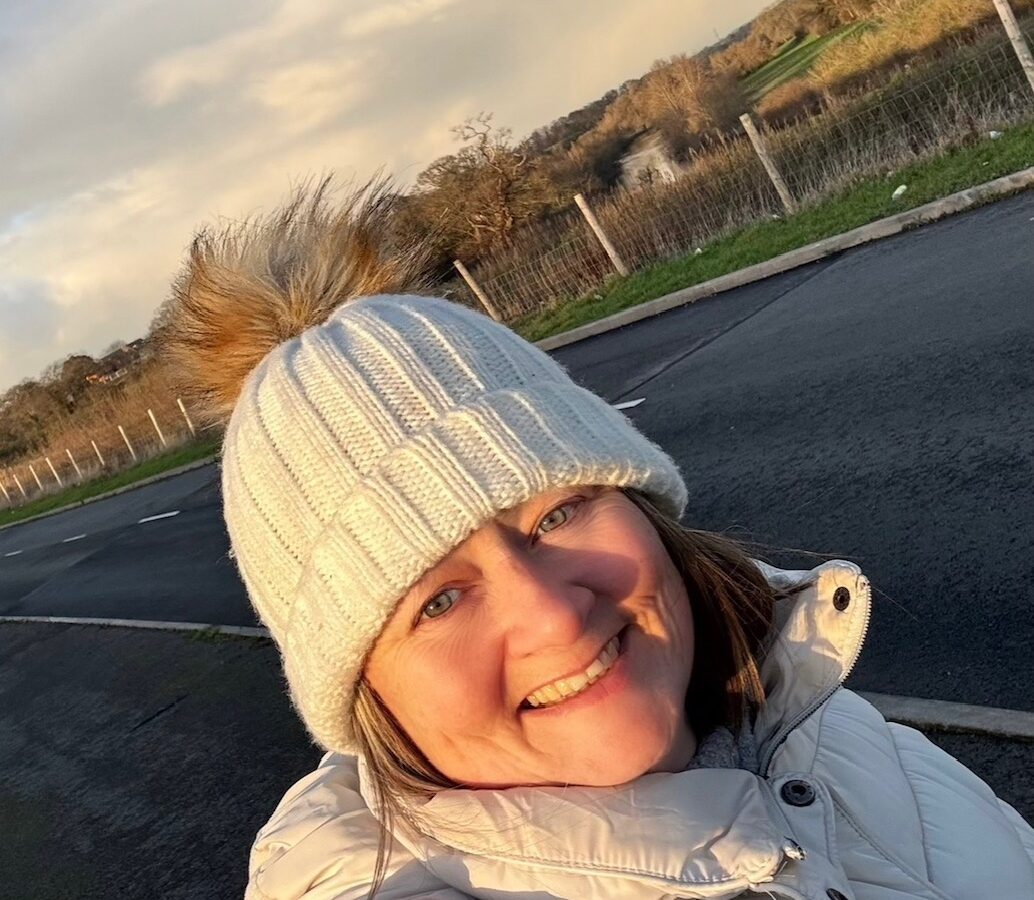
“I’ve found that people don’t always take skin cancer very seriously, and before this happened to me, I was probably guilty of that too. When you mention a concerning mark on your skin, the most common response is, ‘You’ll be fine, they’ll just cut it out.’
That can feel very dismissive. I know it isn’t always as serious as some other cancers, but it’s still cancer, and hearing that word is scary.”
Katie, a self-employed businesswoman from Shrewsbury, has always known she had to take care in the sun. With fair-skin and lots of moles she knew she should wear good sun protection, not use sunbeds, and stay away from direct sun as much as possible.
But despite her best precautions a mole on her arm became a cause for concern.
“I never used sunbeds or anything like that, I can’t believe they’re still around with the evidence around how dangerous they are.
I’ve always known I must look after my skin, I’m fair with a lot of moles anyway and I keep an eye on them. I can’t say I always used suncream but I was conscious to be careful. We’ve all had those times when you get sunburnt without realising and think ‘well I can’t do anything about it now’. But I’ve never been someone who just wants to lie on a sunbed.”
Katie was fairly well versed in what to look out for with her moles and always thought they might look ‘crusty or scary’ and she would know it needed looking at.
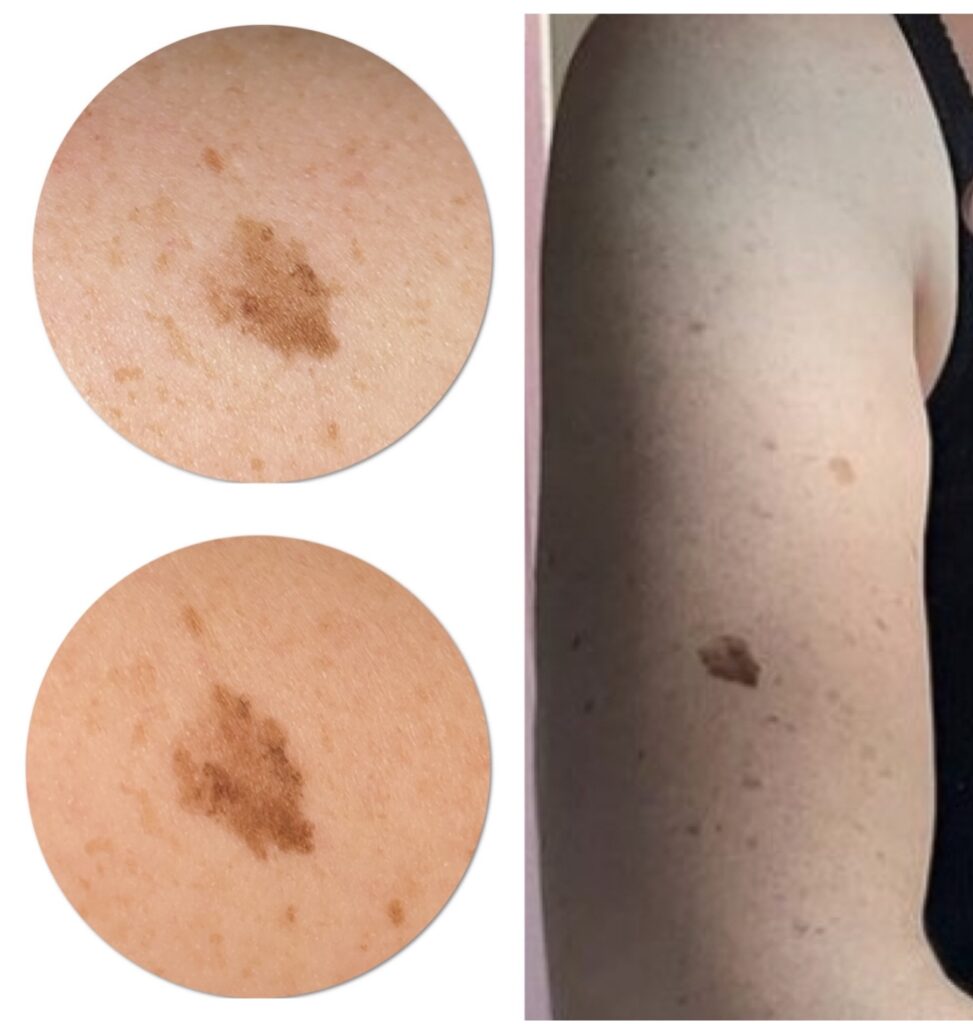
“The one on my arm was flat and just a splodge. I didn’t always have it and looking back now at pictures going back to 2019 I can see it had developed over time, without me realising.
In June 2022 I went to the GP because a couple of friends and family had noticed and pointed it out to say, “have you had that checked out?” and I knew it must have got bigger but when it’s something on your own skin you see everyday you don’t notice the changes as easily.
I knew about the ABCDE criteria and that it met some of those. It was completely flat, but had irregular edges and had got larger slowly over a few months. The GP looked at it and wasn’t overly concerned.
In my head I had been telling myself it was nothing and when I was told not to worry I was relieved. He told me just to keep an eye on it. I took a photo on my phone so I could compare at a later date”.
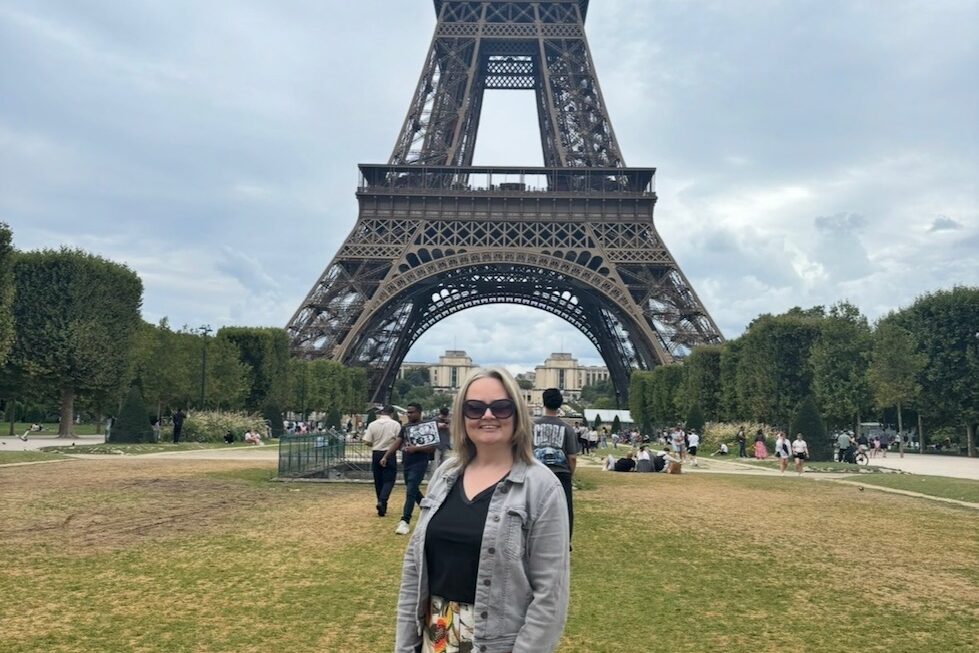
Katie kept an eye on the mole in question and took more photos. There were slight changes over the next few months but nothing worse than before or a lot different. Then a year later her Dad went to St Michael’s Skin Clinic in Shrewsbury for a cosmetic mole removal and they found another one that they wanted to remove to be tested which all came back fine. After his consultation Katie decided to book an appointment.
“Because of the worrying mole, and all the others I thought I should check them out, so I booked a full body check of my moles. They looked at lots of my moles including the one worrying me. At the end of the consultation she told me she suspected it was melanoma in situ and while it was nothing to worry about yet, it did need to be removed, so I was referred back to the NHS to have it removed – part of the two-week pathway.”
At the first appointment at the dermatology clinic Katie was told that it didn’t look too suspicious but they looked at the photos she had taken over the last few months and could see the slight changes so agreed it should be removed for analysis.
“It was during the autumn of 2023 and the nurse called to invite me in for the results four days later and told me I could take someone with me, at that point I just knew what they were going to tell me. That was the longest four days ever, people kept saying it would be ok but why were they inviting me in for a discussion? It was a scary time for everyone, my friends and family.
“I went in and was told it had been Stage 1a melanoma, and they were pretty sure they had got it all but I needed another operation to be totally sure. I was effectively told ‘you’ve had cancer but now it’s gone’ which was a huge relief. I felt lucky and like I had dodged a bullet”.
After the initial operation to remove the mole, a second operation was done to check the margins. That involved taking one centimetre of skin from either side of the mole in an “eye shaped formation” under local anaesthetic.
Katie was advised to wear factor 50 suncream all year around even in the winter, to avoid the sun, and after checking her vitamin D levels, to take supplements so her body wasn’t deprived. It was after her second operation that the full enormity of having cancer settled in.
“The time between the October and Christmas was just a blur, it was all quite messy. I was trying to be careful with my arm because I’d had a big piece cut out and it was painful. It was also my busy time at work so I was trying to balance recovery as well as my increased workload and being self employed added further stress.
I have spent time reflecting, and I just keep thinking if I hadn’t done this or that, or I hadn’t gone to St Michael’s Clinic, it could all have been so different for me.
Looking back I don’t understand why I wasn’t initially referred to the pathway, and if I’d been someone more vulnerable, hadn’t done my own research and hadn’t questioned it, I might never have known about my cancer until it was too late to do something.
I have a few moles I’m still worried about and I’ve asked for them to be checked, and have been reassured they’re fine, but it’s quite hard to trust that view now.”
Katie uses an app to take photos of any moles of concern regularly so she can easily spot any changes however small. She has also been accessing the Lingen Davies funded scar massage therapy delivered by Emma Louth at E L Beauty in Telford.
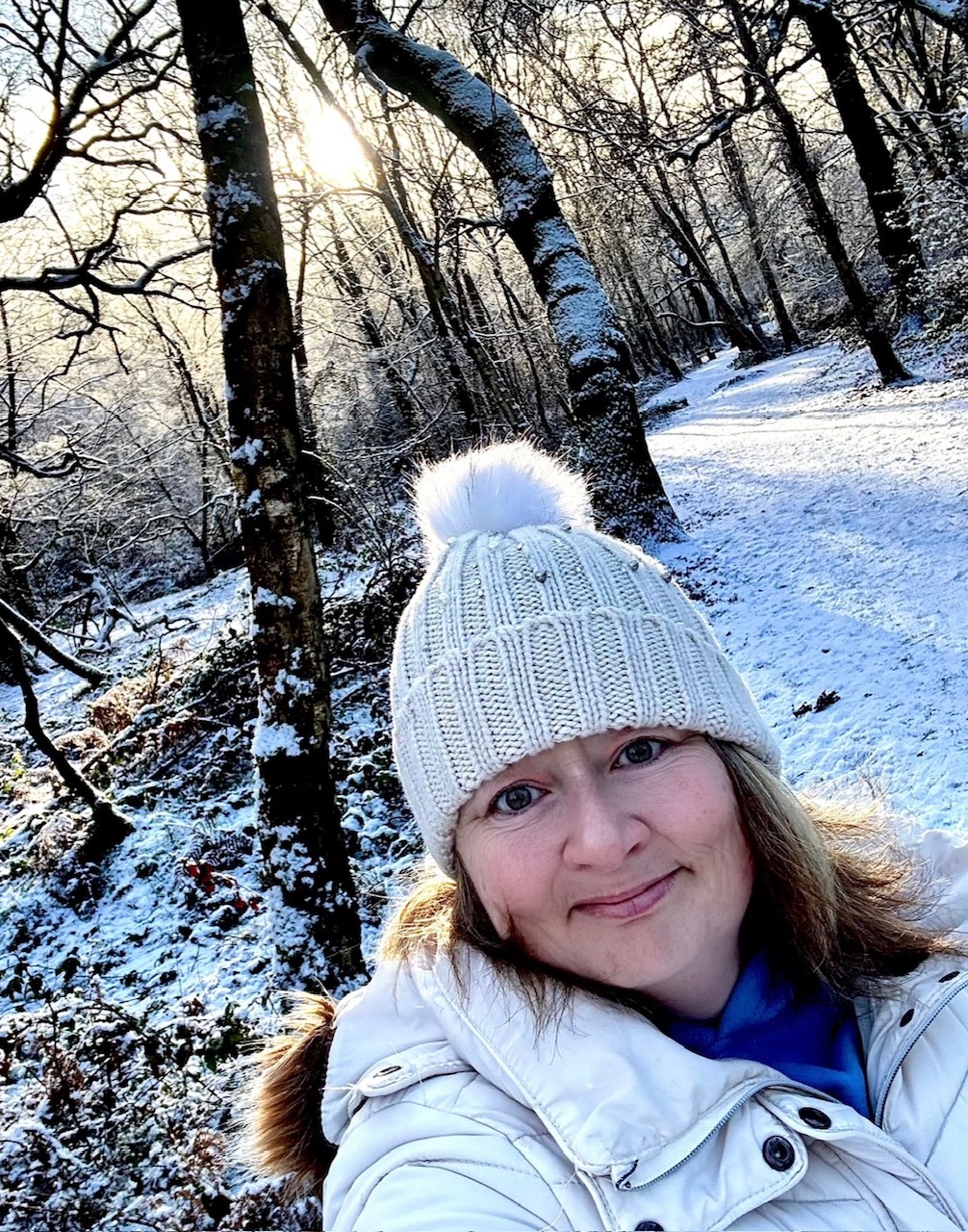
“I’d always made some time to look after myself with nice treatments – especially after Christmas when work is busy. But nowhere would take me for anything because I had had cancer treatment within the last six months.
I found Emma at E L Beauty and went for a facial. She told me about the funding she’d just been given by Lingen Davies to deliver scar massage therapy.
My scar was really lumpy at that point and I was very self-conscious about it. I didn’t like the idea of wearing short sleeve tops or exposing it in any way. I had heard about bio-oil for treating scars but I didn’t know what Emma did even existed.
It’s a really delicate treatment. I didn’t know what to expect really and was a bit sceptical, but I went along the first time to see what happened. I didn’t think it would make any difference to my scar, but it really did.
It was very tight and tingly before I had the treatment and I thought that was all part of the healing process. Now it’s visually a lot better and it moves like skin should.
Emma massaged the area around the scar and it just loosened it all up.
So a small thing, very light touch, made a big difference, it really helped my healing process. It’s just normal to me now and I’m not really conscious of it.
Generally speaking once I’ve had one melanoma I know I’m at risk of another one. I felt like a ticking time bomb, that’s got better. Using the app to track my moles has helped me.
Initially Katie said she was hesitant about using the free to access services of E L Beauty because she thought other people’s cancer was more important.
“I remember getting the information about the various Lingen Davies services, and I thought ‘other people need it more than me’, even though I know they’re open to everyone. Skin cancer is definitely thought of as a lesser cancer than other types.”
Keen to protect her loved ones from going through the same thing Katie says is keen to help others.
“It’s hard with my family and friends because I really don’t want people to go through what I have, but I also don’t want to be that person that keeps telling them to cover up, not sit in the sun. I’ve had to find a balance.
Ultimately I want people to have greater awareness about skin cancer and what we can do to help protect ourselves from the sun. The view about melanomas seems to be that it will just get cut out, and it can be like that, but people can also die from it.
It can be just as deadly as other cancers.”
For more information about the signs and symptoms of skin cancer visit: https://www.nhs.uk/conditions/non-melanoma-skin-cancer/what-is-non-melanoma-skin-cancer/